



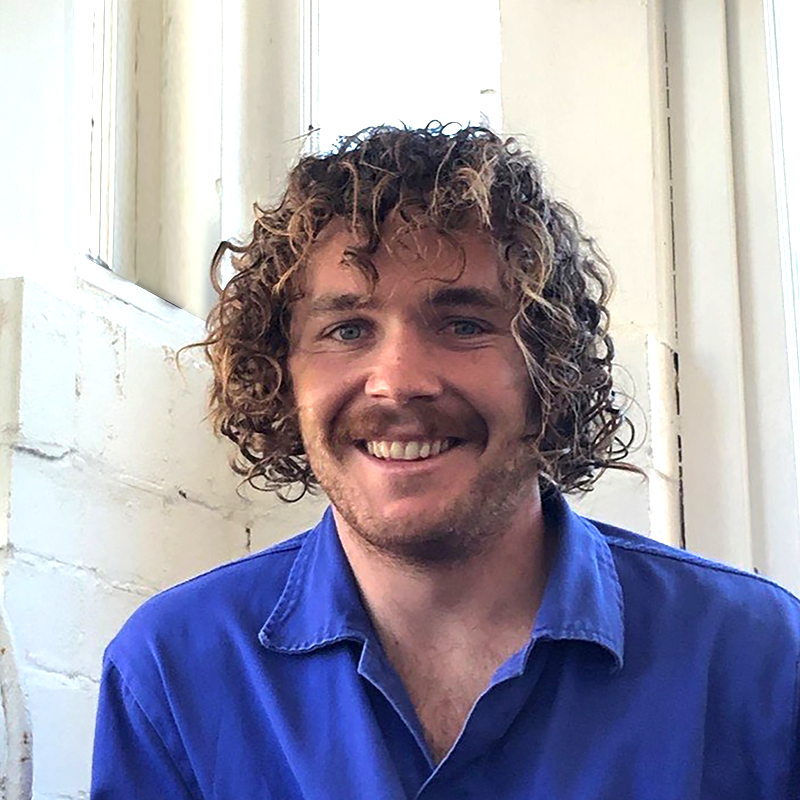

With thousands of kilometres of power transition lines needed across the Australian continent, on Indigenous land, our people can and should play a strong role in the process, First Nations Clean Energy Network director Karrina Nolan says.
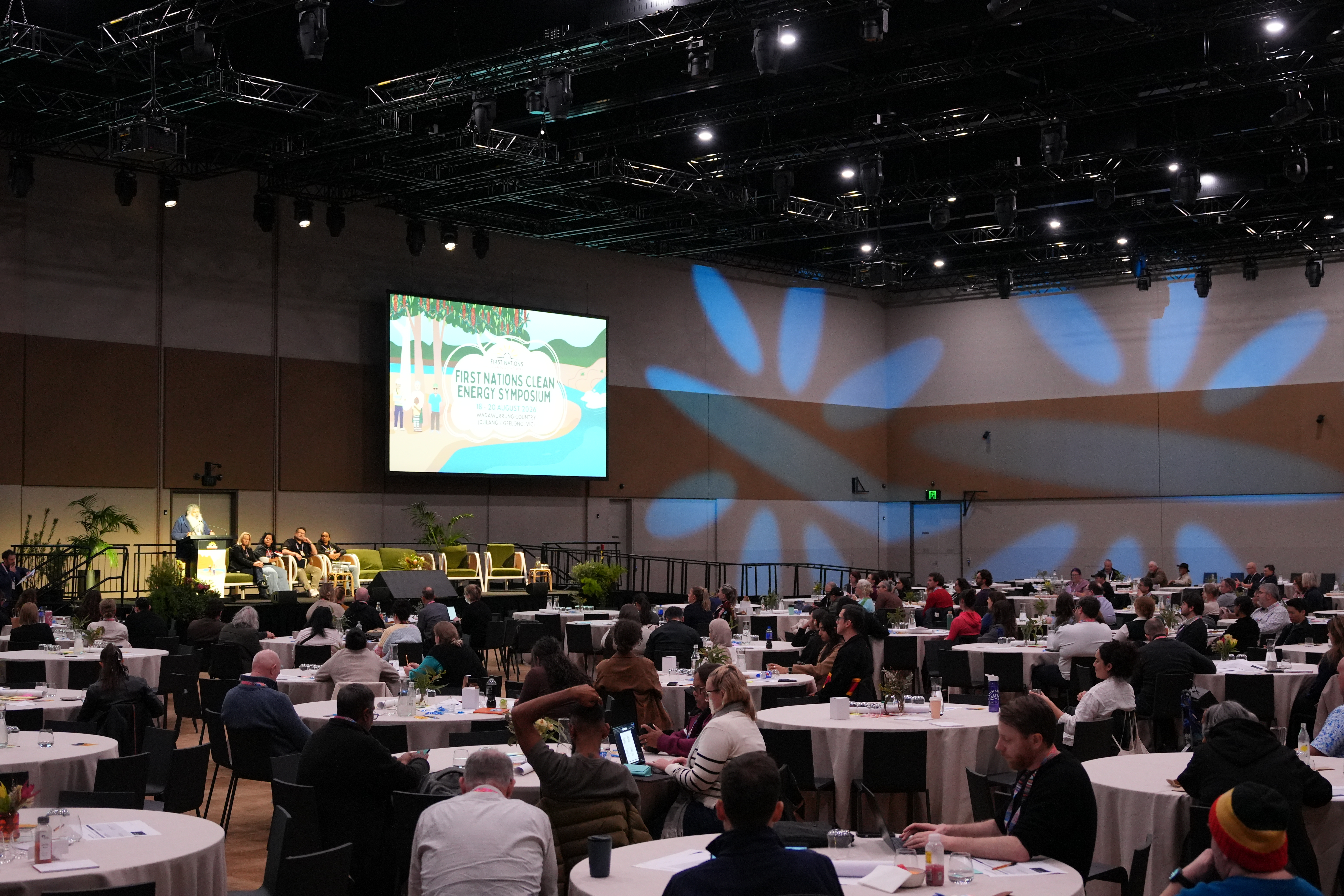
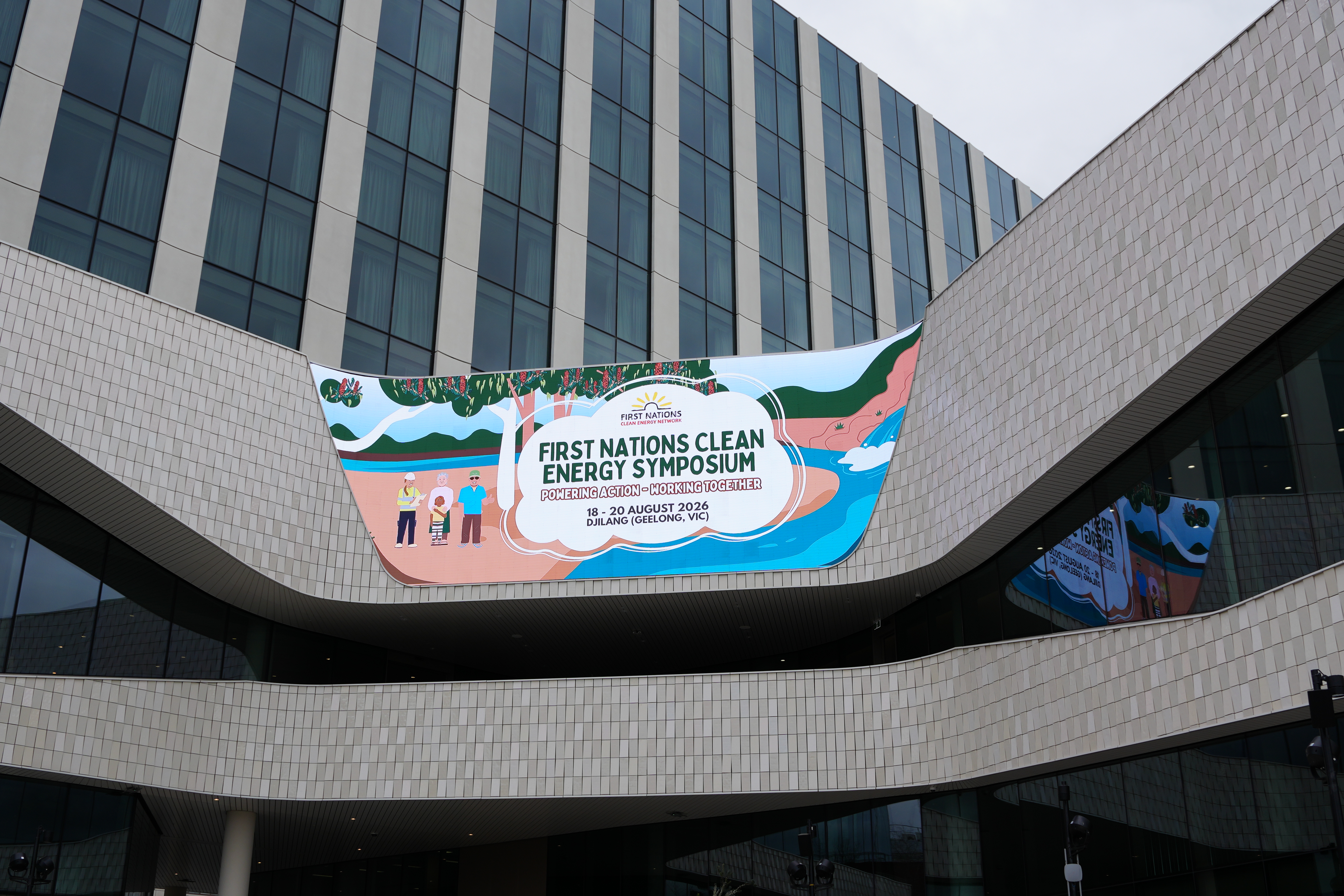
The network hosted its 2026 national symposium in Djilang (Geelong) this week, with First Peoples leading work for their community, from the states and territories alongside Turtle Island (North America) and Aotearoa (New Zealand), as well as government, policymakers and industry in the room.
"If proponents engage with our communities earlier, not when something's designed, then the benefits really are genuine and long-term," Ms Nolan told National Indigenous Times, adding self-determination on local benefit is critical.
This goes for large-scale and long term projects, ownership of assets and broader economic opportunity and also cases where communities just want cheaper power bills and more reliable power, Ms Nolan explained.
The Federal Government has committed $70 million in investment over three years from 2025 via the First Nations Clean Energy Program, part of the broader First Nations Clean Energy Strategy.
Within this is grants available for clean energy projects.
Climate Change and Energy Minister Chris Bowen announced, via video to the symposium on Thursday, $10 million available for up to two Indigenous organisations to support projects with an expected capacity over 1 MW beyond feasibility and towards financial close.
Communities across the country are already seeing benefits from local projects.
Scott McDinny, with Original Power, says at home in Borroloola, the build of a solar microgrid will reduce frequent power outages.
Original Power is an Indigenous-led not-for-profit supporting communities with the delivery of renewable energy projects.
The microgrid in Borroloola is a 2.1 megawatt solar PV (photovoltaic) system with a 6.2 megawatt battery, Mr McDinny explained, which he said is also creating local jobs.
"It's a big project," he said, for a community currently relying on diesel generation, and looking at a much more reliable connection.
A few hundred kilometres south-west of Borroloola in Marlinja, Aleeta Dixon has been working to build her community's microgrid solar project for the last five years.
The solar system means more, and cheaper power, she said.
The symposium's conversations canvassed equity and co-ownership pathways, regional and remote energy equity, investment opportunities, utilities, policy, and community benefit options.
On Thursday, time was made for individual state-based discussions.
Western Australia came out of it eyeing their own smaller network, while Northern Territory discussions brought up thoughts about autonomy on works away from Government.
Victorian network members spoke about revenue-sharing, and value of partnerships and the role they play in clean-energy transition.
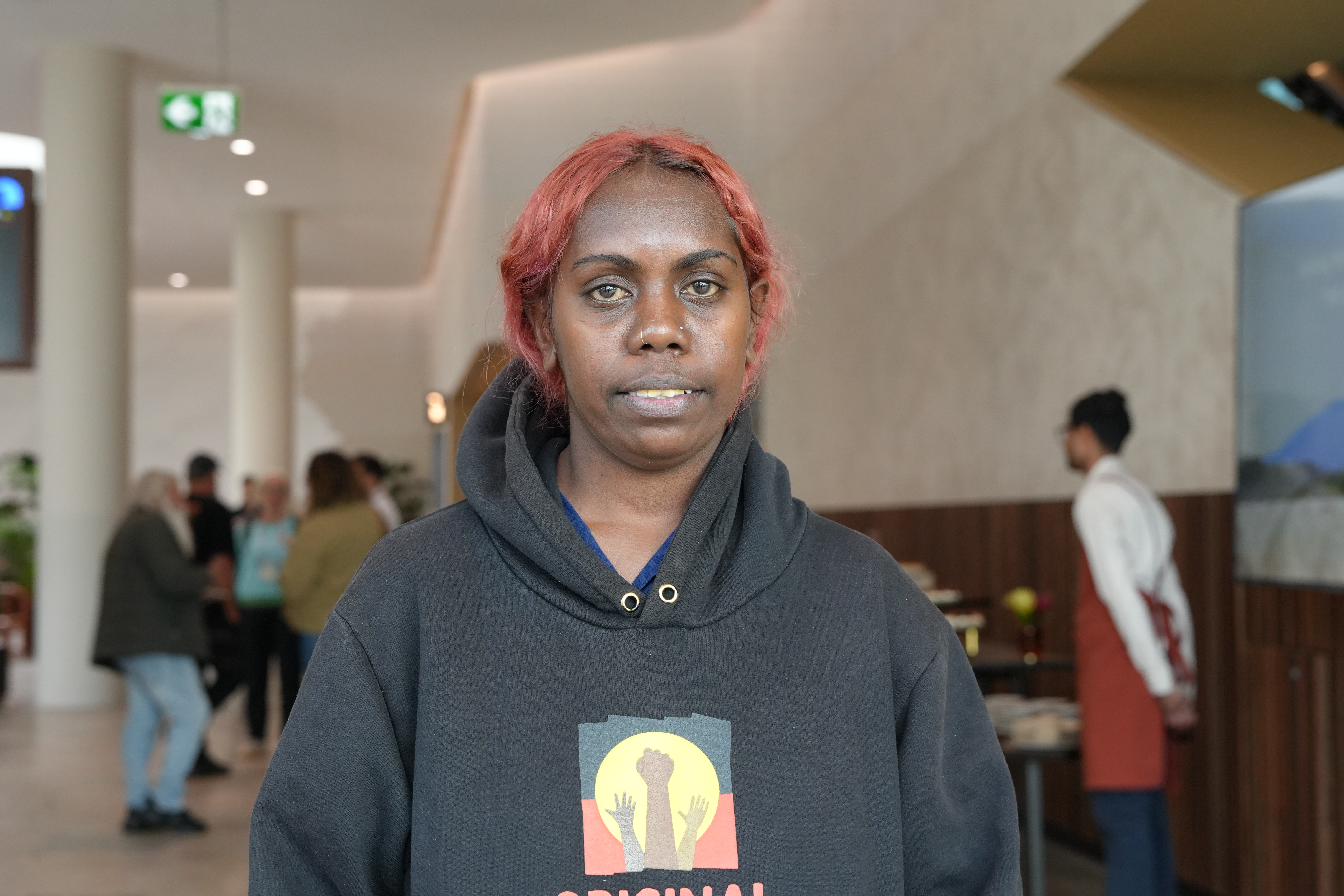
Five years ago, there were 150 people at the first national symposium, First Nations Clean Energy Network's Cissy Gore-Birch said.
This week's symposium on Wadawurrung Country brought together more than 500 people.
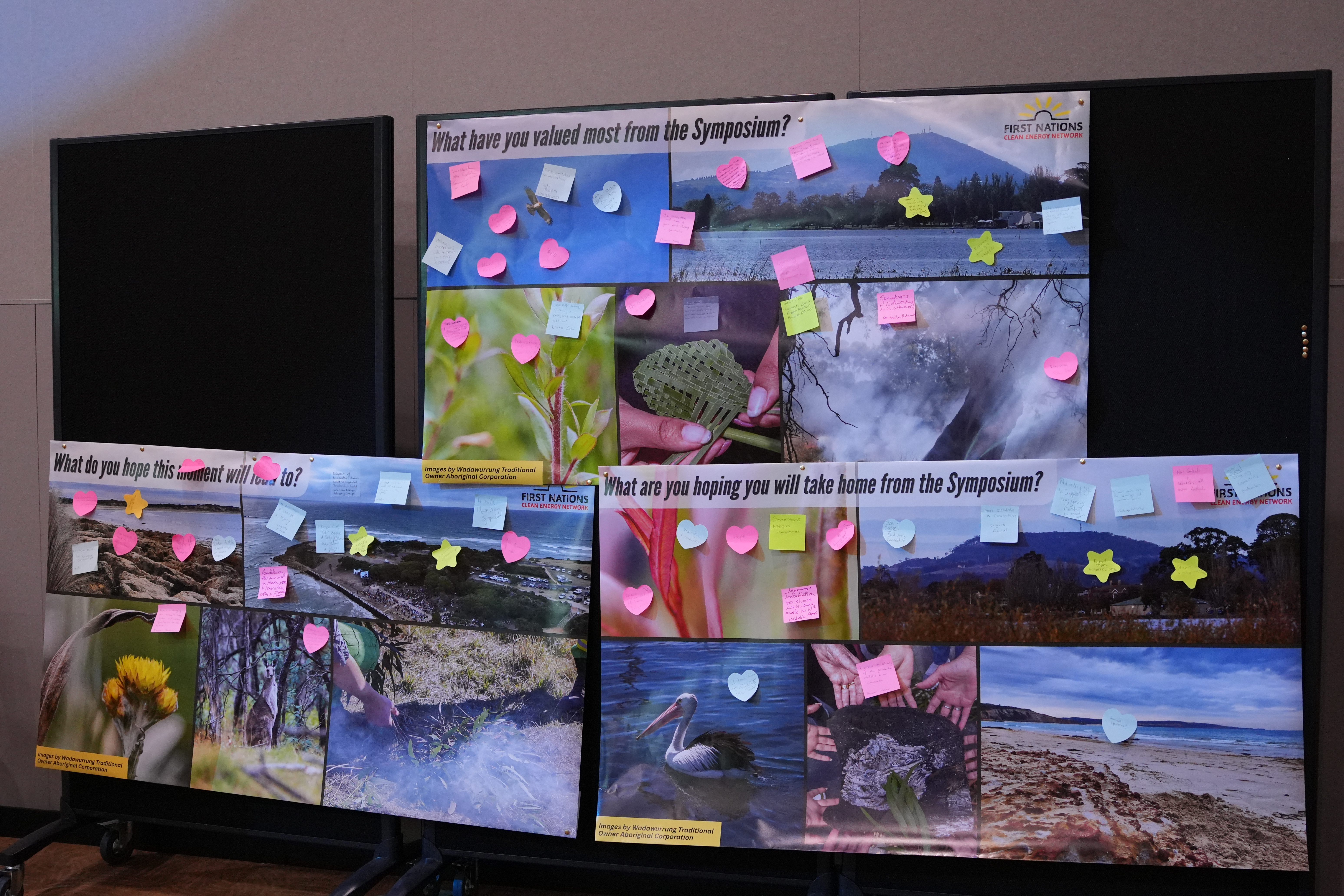
Among common themes coming out of the program, Ms Gore-Birch pointed towards one: "Leaving no one behind".
As was government commitments and the role First Peoples play in clean energy, she said.
"From my perspective, as an Indigenous woman...it's about bringing people together — First Nations people of this country to talk about the issues around our communities, our regions, our states, and territories, and to be able to look at how do we work together collectively, and to be informed, and to be able to share knowledge and understanding of how fast this space is moving," Ms Gore-Birch said of the symposium.
"And I think it's really important on the way we actually coordinate these conversations in a way that's going to be effective for our First Nations people."
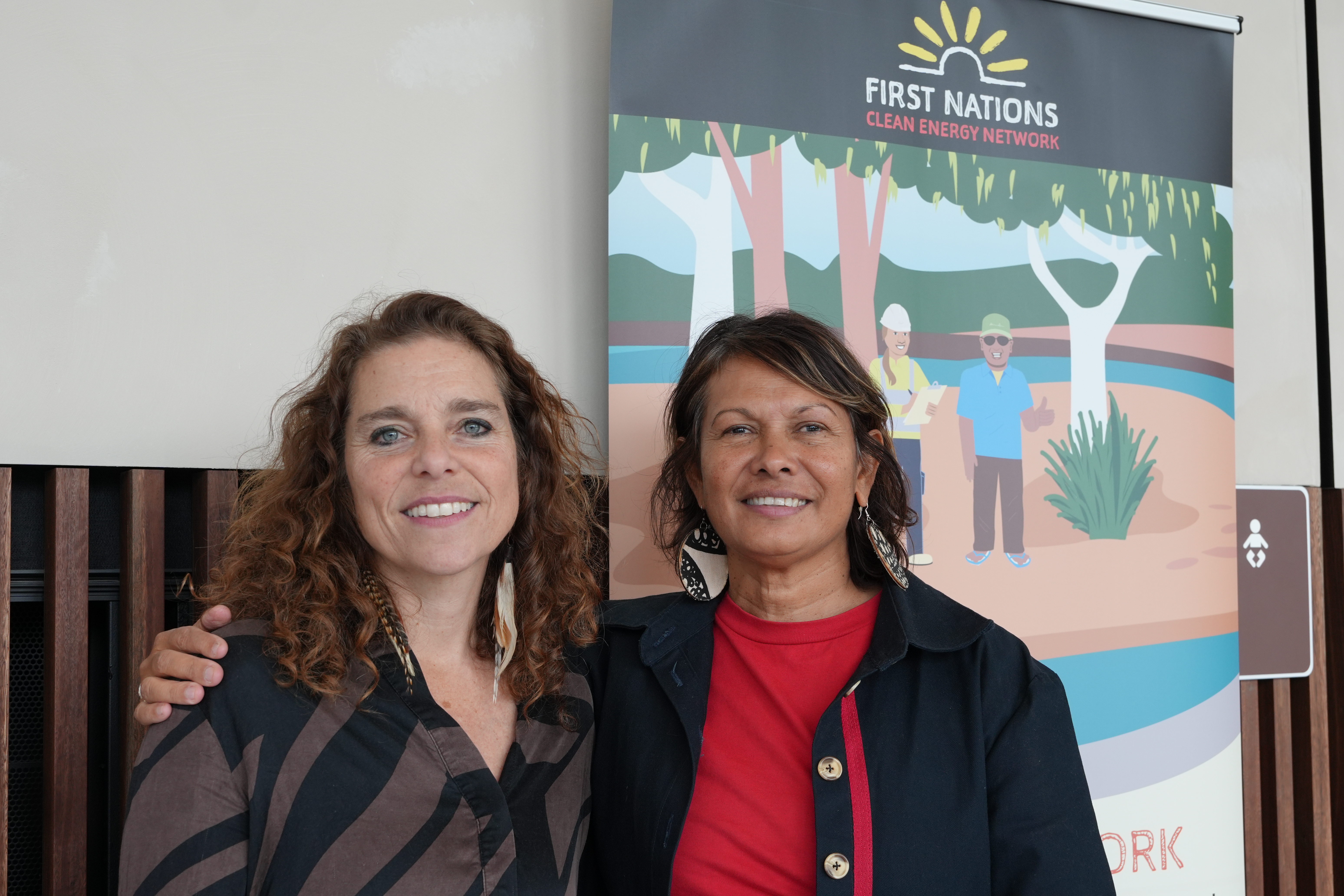
Sharing and exchanging knowledge plays a part, Ms Gore-Birch said. Some in the network are new to it, she added, while others are 20 years into their clean energy journey.
Some of those in the room are doing the work making community energy solutions a reality, Ms Nolan said.
There's all kinds of elements to the importance of First Peoples voices playing a role in the development of energy networks, she added.
This goes from mitigating potential damage to scared sites, to economic wealth opportunities, to serving as reliable stakeholders on long-term projects.
"Part of what we've been doing through the network, we've got 1000s of members...is making sure that we've lifted the aspiration of our community to be part of the transition, but also of government proponents to meet us and to really understand that you know the benefits can be really shared by everybody," Ms Nolan said.
The First Nations Clean Energy Symposium was hosted at Nyaal Banyul Geelong Convention and Event Centre from August 18-20.