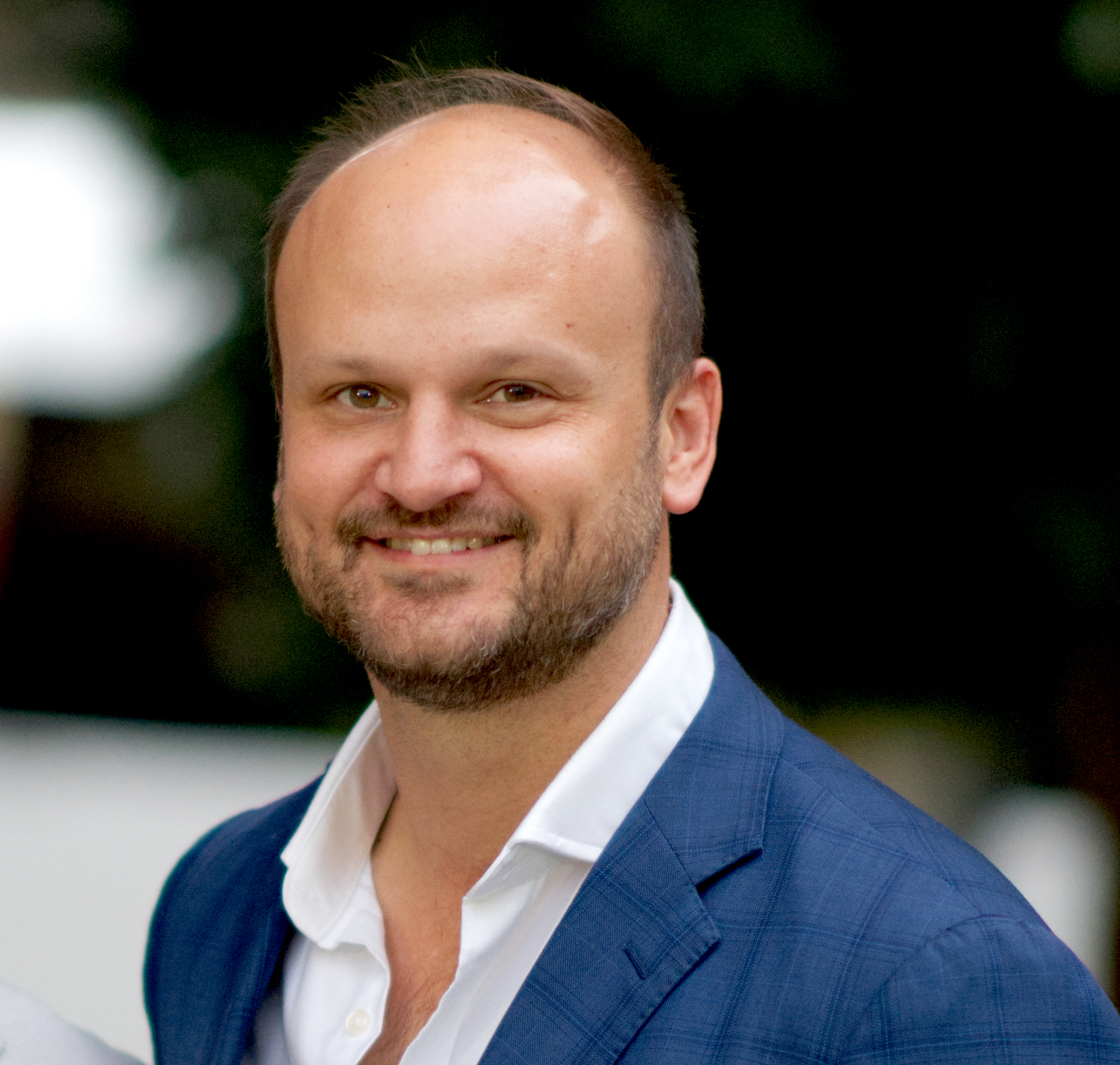

The national peak body for Indigenous employment and training has called on the Federal Government to put First Nations-led delivery at the centre of its employment services overhaul. It warned reform could strip out capacity Aboriginal and Torres Strait Islander organisations spent years building.
Key points
- Why one employment provider keeps soft pears in the fruit bowl on its front desk
- The 1966 ruling that delayed equal pay so pastoralists could find “white labour”
- A target of 300 jobs in three years left her team silent. They have created 281
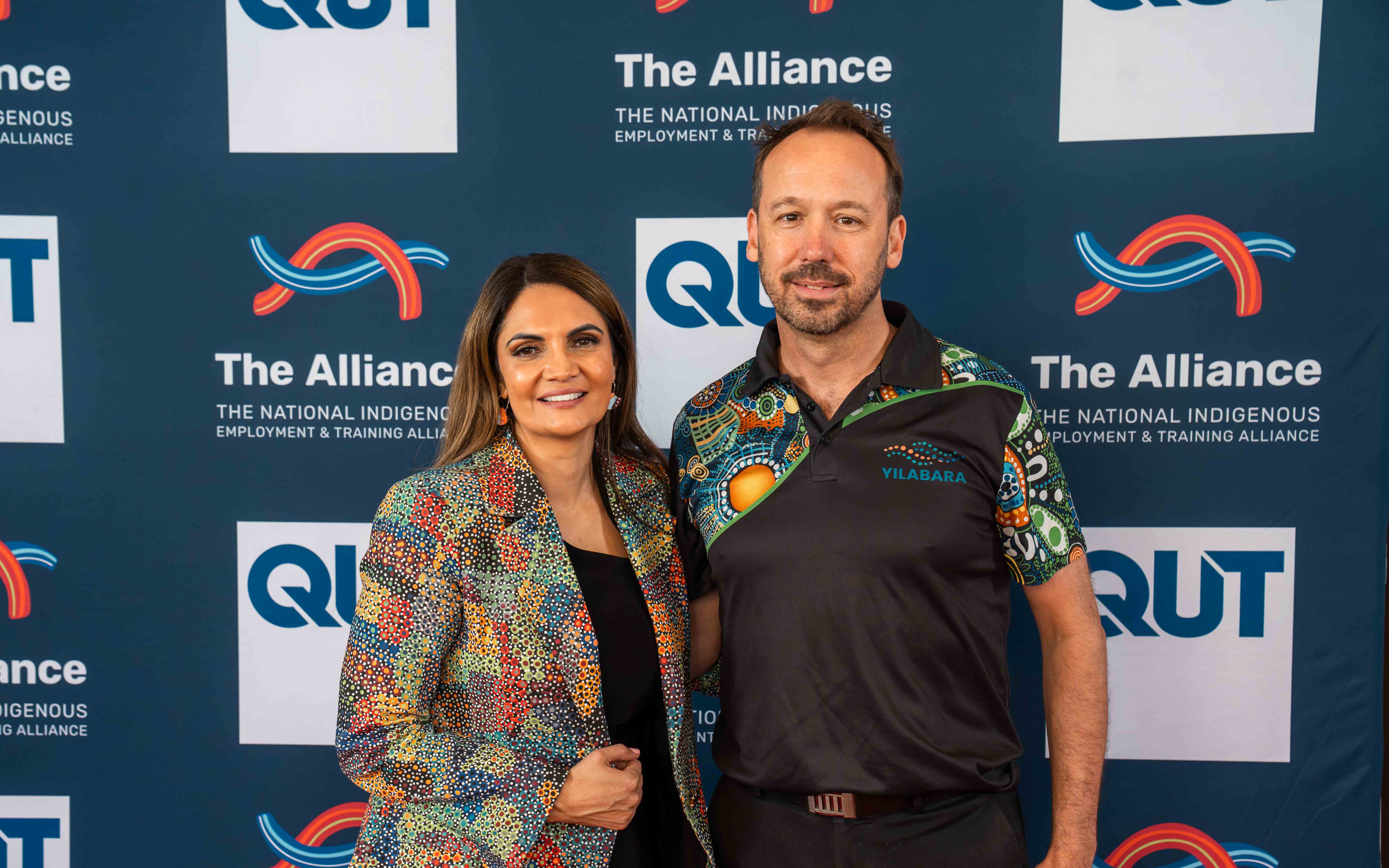
National Indigenous Employment and Training Alliance CEO Kylie Penehoe made the case in her opening keynote at The Alliance Conference 2026 in Magandjin (Brisbane) on Wednesday. Delegates from more than 90 organisations attended.
"We cannot afford to lose the capacity that has helped create First Nations employment outcomes while redesigning the system that is meant to support them," the Wonnarua and Wiradjuri woman said.
"Reform must prioritise First Nations-led delivery, with commissioning and funding settings that give our organisations a clear pathway to deliver and our people a real choice of provider."
The Government's proposed model would leave some job seekers to search for work through an online service. From 1 November 2028 it would also split the single Workforce Australia service into a targeted service for people closer to work and an intensive service for those who need more support. The Alliance's General Manager of Engagement and Advocacy, Alicia Weiderman, outlined the model to a later panel.
Ms Penehoe said First Nations people must have influence while decisions about services, funding and performance remain open to change. She said funding must also cover the full cost of the work.
"Reform must consider the full cost of delivery, including the unique cultural expertise, relationship-building and sustained support First Nations organisations provide to achieve employment outcomes," she said.
Same country, different odds
Ms Penehoe pointed to recent shifts in who delivers services. When Disability Employment Services became Inclusive Employment Australia, the number of Indigenous-owned providers rose from two to six, and the locations they serve rose from three to 36. In Workforce Australia, First Nations-led organisations now hold three of the First Nations specialist contracts. They held one of the original 16.
"Winning a place in the system is not the same as being resourced to deliver," she said.
Employment among First Nations people aged 25 to 64 rose from 51 per cent in 2016 to almost 56 per cent in 2021. It reached 62 per cent in major cities and 35 per cent in very remote areas.
"Same country, very different odds," Ms Penehoe said.
She warned that a softening labour market would test those gains. She cited the Reserve Bank's forecast that unemployment will reach 5.1 per cent by the end of 2028, and 40 years of Census data showing First Nations employment falls or stalls when the wider market weakens.
"That's when the work our organisations do matters most. If we pull back that support as hiring slows, we put the gains we've made at risk."
'It was cruel'
Judi McConville has worked through seven employment services contracts in more than 40 years and is CEO of Yabur Yulgun Employment Services Indigenous Corporation. She said the department had underestimated how much support First Nations job seekers need.
"At least 70 per cent of our current Indigenous caseload sits straight in Stream 3," she said. "That requires major, sustained structural investment."
Ms McConville said micro-providers could not absorb the cost of IT security accreditation and quality audits. She also recalled the 2009 cancellation of non-remote CDEP contracts.
"They were handed mainstream employment contracts on a plate, and the department stood back and watched almost all of them collapse," she said. "It was cruel."
Mark Kucks is a Yuggera man and Hutchinson Builders' National Indigenous and Social Procurement Manager. Earlier in the day Wilson Group's Dylan Adams had called for an end to "bullshit compliance", and Mr Kucks backed that call. He pointed to the flexibility of the former Employment Parity Initiative.
"If someone had a SPER debt and couldn't get their driver's licence back, they couldn't get to the job site. We could just pay the SPER debt. Simple as that, the person is at work on Monday."
The business engine
Productivity Commissioner Selwyn Button leads the second national Closing the Gap inquiry. He told delegates that Target 8, on employment, is on track to be met by 2031 and that Indigenous businesses are driving the growth.
"Despite being only 1 per cent of businesses, Indigenous businesses employ 33 per cent of the entire employed Indigenous population across Australia," he said.
Mr Button is a former Registrar of Indigenous Corporations. He said corporations registered under the CATSI Act are less likely to be liquidated than mainstream companies, and he urged financial institutions to act on that evidence. Business owners still name access to capital as their biggest barrier.
"From an investment risk perspective, Indigenous businesses are actually less risky than non-Indigenous businesses," he said.
Assistant Minister for Employment and Workplace Relations Patrick Gorman and National Indigenous Australians Agency Deputy CEO Joshua Smith also addressed the conference.
'Australia did without it'
Fiona Jose is a Kuku Yalanji and Zenadth Kes woman, Executive Co-Chair of Cape York Partnership and an Alliance board member. She traced the problem back 150 years. She cited the 1966 Conciliation and Arbitration Commission decision that delayed equal wages for Indigenous stockmen until December 1968. The Commission said the delay would give pastoralists time to arrange "replacement by white labour if necessary".
"When our labour was cheap, Australia wanted it. When Australia had to pay what it was worth, Australia did without it," she said.
She said governments had "distorted" reciprocity "into a one-way punitive instrument called 'mutual obligation'". She called for an Education Guarantee for children and a Job Guarantee for adults.
"Work for adults is developmental infrastructure for children," she said.
Three years ago Ms Jose set her organisation a target of 300 jobs in three years. It has created 281 so far, and more than 90 per cent of its workforce are local First Nations people.
She said a young person at a local high school in Cape York has a 1 in 100 chance of finishing Year 12. Of young people from the same communities supported to attend quality schools through the Cape York Leaders Program, 95 per cent graduate.
"Same families. Same children. Same communities. A different institution."
Ms Penehoe asked each delegate to take one decision within their own authority back to their organisation and act on it.
"Those odds are not fixed. They are shaped by decisions: in reform, in budgets, in workplaces," she said. "Many of those decisions sit with the people in this room. So take one back with you. Make it count. And together, let's change the odds."