



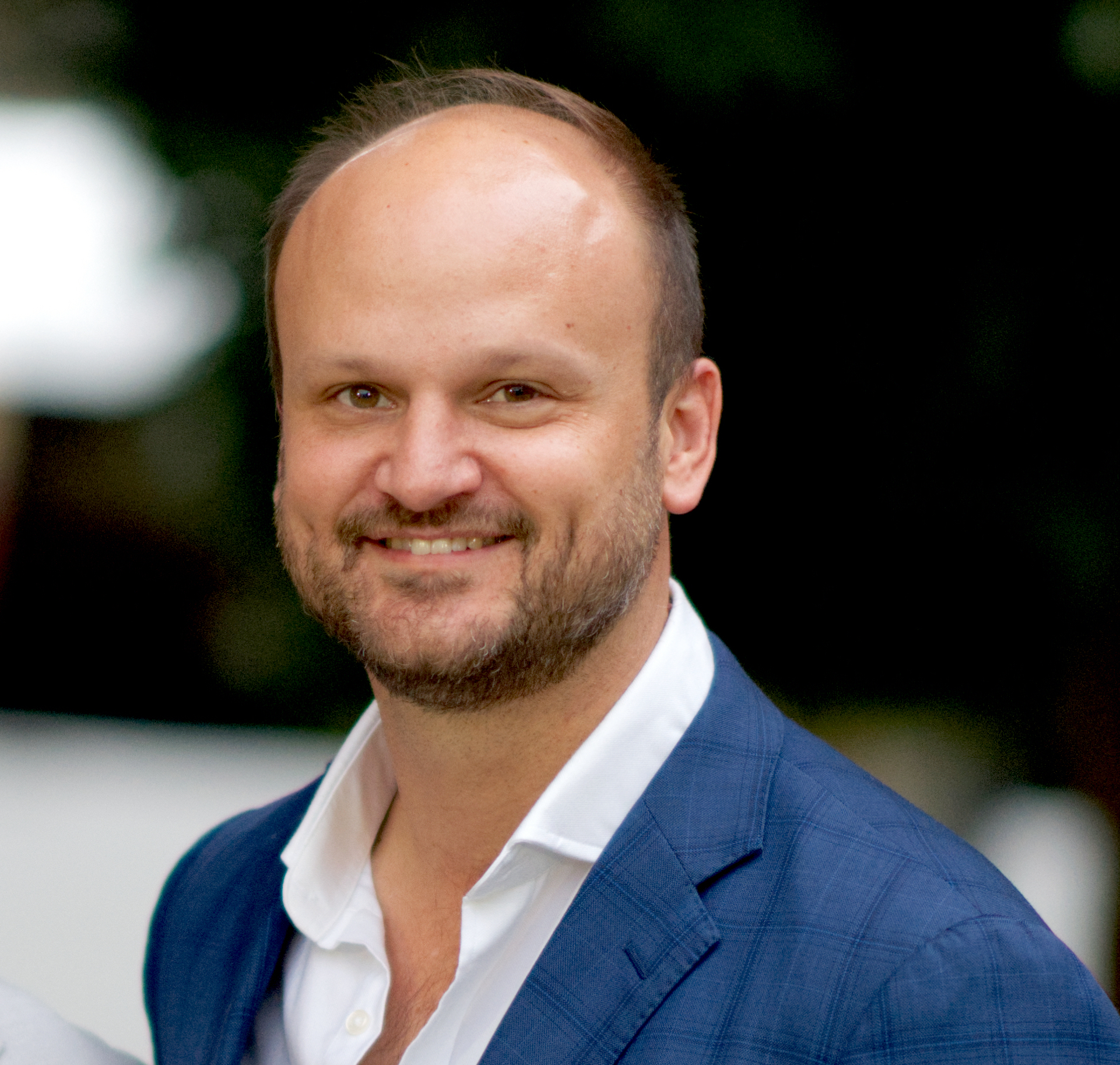

Aboriginal corporations will be locked out of Northern Australia's next investment boom unless ownership is structured in from the start, the chief executive of one of the country's most successful Indigenous enterprises told the Developing Northern Australia Conference in Alice Springs on Thursday.
Djarindjin Aboriginal Corporation chief executive Nathan McIvor outlined his perspective at the event which was attended by some 500 government, industry and investor delegates who had convened to plan the north's next decade.
"Bring resources, bring expertise, bring capital, bring policy flexibility, but do not bring a steering wheel and expect to drive. The direction is set by Djarindjin. The authority sits with Djarindjin. The benefits must return to Djarindjin."
Engagement that fails to build pathways to ownership, capability and control, he said, "is theatre".
"Investment is coming. Energy, tourism, defence, logistics, infrastructure, critical minerals, environmental services, the region is entering a period of major economic change. So the question is not whether development will happen. The question is: who benefits? Who owns? Who controls the contracts?" he said.
"The next era of development cannot treat Indigenous business as a social policy exercise. Indigenous enterprise is economic infrastructure. Not a side-show. Not a stakeholder group. Not a checkbox. Owners, operators, employers, developers, decision-makers, that is where we need to be."
McIvor arrives at that argument holding a balance sheet.
Djarindjin Airport, wholly owned by the corporation through subsidiary Djarindjin Airport Pty Ltd, is the first fully Indigenous-owned and operated certified airport in Australia. Its all-Indigenous crew has hot refuelled Sikorsky S-92 helicopters bound for Browse Basin oil and gas platforms 370 kilometres offshore since 2011, rotors turning and engines running, in the only civil operation of its kind in the Southern Hemisphere. The corporation took full ownership in February 2022.
Consolidated revenue has grown from $2.9 million to nearly $20 million by 2025. The corporation is 90 per cent self-funded. Its workforce has gone from fewer than 30 people to 150 across the portfolio in seven years, in a community of roughly 400.
"When you generate your own revenue, you gain choices. When you gain choices, you gain bargaining power. When you gain bargaining power, you stop being positioned as a passive recipient and start operating as an owner."
The people who built that operation hold no title to the ground it sits on. Western Australia formally recognised the Djarindjin community in March 2024, four decades after Bardi and Jawi families walked out of the Lombadina Catholic mission and established it. Residents own neither the land nor the houses they maintain from their own revenue.
That gap between what the corporation has earned and what it is permitted to own runs underneath McIvor's rejection of the national framework built to help communities like his.
"We got off the Closing the Gap train a long time ago. Not because the issues are not real. They are real. Housing pressure is real. Health challenges are real. Employment barriers are real. But the gap narrative still starts from what we lack. Our strategy starts from who we are, what we hold, and what we are prepared to build."
The corporation is now buying its way toward the things policy has failed to deliver.
Aalga Goolil, the Sun Turtle power project, will supply about 80 per cent of the electricity used by Djarindjin and neighbouring Lombadina from a community-owned solar and battery station laid out in the shape of a turtle, selling wholesale into the grid under an agreement with Horizon Power. GornGorn-Ma Djarindjin Developments is targeting 70 community-owned homes by 2045 through a rent-to-buy model, with approvals for the first 12 dwellings secured earlier this year. Retail, tourism, freight and logistics fill out the portfolio.
"Trucks on the road are not just trucks on the road," McIvor said. "They are a signal that we are stepping deeper into the economy that has always moved around us, but too often without us owning enough of it."
Djarindjin took the Indigenous Governance Award for large incorporated organisations in 2024, the same year the state got around to acknowledging the community exists. McIvor said the discipline behind that recognition came from designing on a twenty-year horizon anchored to the corporation's Binimal Aambooriny, Strong People, Healthy Living strategy.
"If you keep designing for short-term outputs, you will keep getting short-term behaviour. Pilot project. Report. Nothing changes. Pilot project. Report. Nothing changes. We rejected that cycle," McIvor said.
"Money without structure evaporates. But investment into ownership, capability and governance creates something durable. Something that outlasts governments. Something that outlasts funding cycles.
"Djarindjin did not wait to be rescued. We built."