



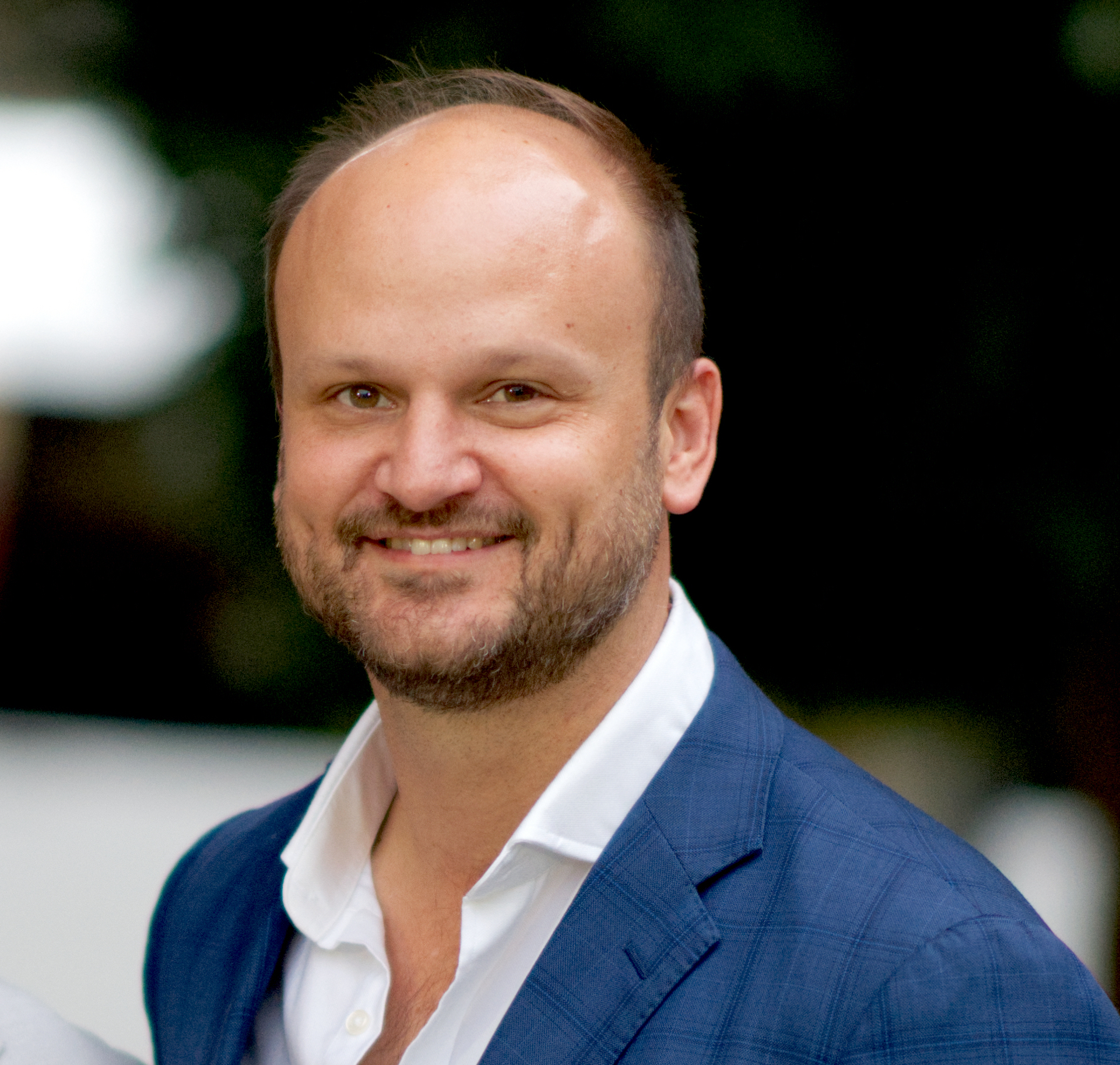

First Nations communities, businesses and families will demand more than $100 billion in capital over the next five years, Indigenous Business Australia chief executive David Knights told the Developing Northern Australia Conference in Mparntwe (Alice Springs) on Thursday.
"This is the foundation of a future economy where First Nations people are partners and leaders," Mr Knights said. "Achieving it requires trust, opportunity and equity."
To meet that demand, IBA is developing a new arm of the business, Major Projects and Structured Finance, dedicated to facilitating large scale investments that build the Indigenous capital asset base and attract more capital into Indigenous Australia.
Mr Knights said IBA estimates there may be as much as $4.8 billion of Indigenous owners' equity sitting within the largest ORIC registered corporations alone.
"This, coupled with IBA capital, could be the seed to unlock wider pools of capital, and particularly in northern Australia," he said.
The speech, titled From ILUAs to Equity, Igniting Indigenous-Led Investments, drew on years of work with Indigenous organisations holding Indigenous Land Use Agreements.
"Consistently, the message has been that communities want to use those revenues to take control of their economic future," Mr Knights said.
"Indigenous equity is self-determination. It is through ownership of projects on Country that communities can exercise control.
"This is going beyond employment and procurement opportunities. This is about Indigenous ownership of projects on Country. Because Indigenous ownership and leadership offers intergenerational planning, thinking seven generations ahead, so we can work through the current uncertainty and volatility and have a firm plan for future generations."
Mr Knights pointed to the scale of the opportunity. Australia's First Nations population of about one million people is young, with 60 per cent under the age of 30, and could reach between four and seven per cent of the national population within two decades. The Indigenous estate covers around 70 per cent of the continent's land mass.
He set out three interdependent conditions for unlocking First Nations led development: productive Country, productive capital and productive communities.
On Country, he called for "strong land and sea rights, protection of Country and culture, and finance that recognises the value of Native Title and Indigenous land", and confirmed IBA intends to start measuring the value of Indigenous land through its new Office of the Indigenous Economy, established earlier this year with Dr Siddharth Shirodkar as chief economist.
On capital, he said access to finance remains a major barrier, particularly for funding equity stakes in opportunities on Country.
"Fair credit assessment and affordable capital is not just a challenge for early-stage investors, but also for mature organisations seeking to scale up," he said. "Blended finance can scale investment while retaining Indigenous decision-making authority."
On communities, he said economic development is about people, skills and governance as much as capital, and that capability must also grow on the other side of the table: "We also need to build capability and capacity in non-Indigenous sectors, to build two-way trust."
IBA is the Commonwealth's longest running economic development program. Over 50 years it has supported around 23,000 Indigenous families into home ownership and now partners with more than 60 First Nations co-investors through its Indigenous Prosperity Fund, which returns between 7.5 and 11.5 per cent per annum. The organisation holds a net asset position of $2.4 billion.
"[That] is a testament to the hard work, drive and ambition of First Nations people building individual, family and community wealth, and delivering intergenerational outcomes," Mr Knights said.
The address comes amid a period of expansion for IBA, following a February 2025 legislative amendment opening its access to capital markets, a memorandum of understanding with Commonwealth Bank, a home ownership partnership with Homes Victoria and the appointment of three new directors, Jessica Bulger, Bronwyn Dodd and Krista Dunstan. It also lands in a Territory where the recent BlakPrint Report found Aboriginal businesses contributed $3.4 billion, or 10.1 per cent of gross Territory product, in 2024-25.
Mr Knights shared the session with Samone Sallik, an Aboriginal woman from the Barkly region with deep family and cultural connections to Tennant Creek, a board director of Julalikari Council Aboriginal Corporation with more than 20 years' experience leading organisational reform, governance and service delivery across remote Northern Territory communities, who spoke on what Indigenous communities are building on the ground.
"Aboriginal and Torres Strait Islander economic interests are vital to Australia's future," Mr Knights said, "and will play a central role in national development."